

“Earth Abides”
A book I once read

A long time ago (High School — 1960/63!) I haunted my High School library. There were many books I read more than once, and the one I think of often these days is the Title above. It was an interesting, but unrecognized window into the future for me. In true sci-fi canon, it was about: a single man, a looming catastrophe, and an unexpected solution. It was a perfect fit for a fifteen-year-old girl. But — why was it a portent of our future? Back in those days, the world was America’s oyster. Nothing would stop progress. It was the comfortable dream of a child who had not yet processed the stories told by her father and the remains of his B-17 crew that were stationed in England in 1944. That same child was so sick of hearing about “WWII” that she skipped those chapters in her American History class — preferring to discuss the dynastic problems of the ancient Egyptian empire, or the ancient histories of the British Isles. It was also America’s comfortable dream in many ways.
The plot involved a mysterious sickness that had decimated Earth’s population, except for some people who appeared to be immune to it. As our hero wanders through empty towns and cities searching (and sometimes finding) survivors, clues begin to appear. Sound familiar? How many media series have had that same scenario? But here is the twist. Grass was growing in sidewalk cracks, trees had returned to the city landscapes here and there. In short, boy meets girl, finds out they had both been bitten by rattlesnakes but survived, and restoration begins. Not necessarily deathless (Ha! Ha!) prose but a tiny little prophetic voice that no one was listening to in those American Century times.
During my high school writing career, I had an essay published in the HS paper regarding the Rio Grande river. El Rio Grande translates from the Spanish language as “The Great River”. At the northern end of New Mexico, they have what is called the Rio Grande Canyon: photographically beautiful, the river has eroded a deep canyon in the earth as it flows southward. By the time it reaches the Sonoran desert, it is merely a trickle. It gathers strength again as it flows southward to the Texas gulf coast, defining the border between Texas and Mexico all the way down, but occasionally changing its course to the consternation of one country or the other.
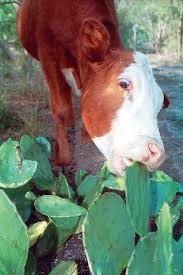
Being a child of the desert, I had little respect for the river’s apparently inaccurate name, but as a child of the Sonoran desert, I understood at a deep level the importance of water to life. When there is drought, ranchers burn the thorns off of prickly pear cactus so the cows have something to eat. Cattle die, stuck in adobe mud where a pond used to be.
I’m sure by now you have flagged a lot of environmental concerns that weren’t thought of in those days. Rachel Carson was a tiny voice from that time that got louder and louder over time. Now, I live in a state where there are places that get 100 inches of rain per year — where we are currently in a season of drought. Lots of words are bandied about by people raised on talking points, pro and con, about climate change. I live in temporary water abundance, but I remember drought, and dust, and death with some familiarity, and when I do; I remember “Earth Abides” (published in 1951) with some sadness at the irony of all those voices — for all of those years that nobody listened to then — and not enough listen to now.